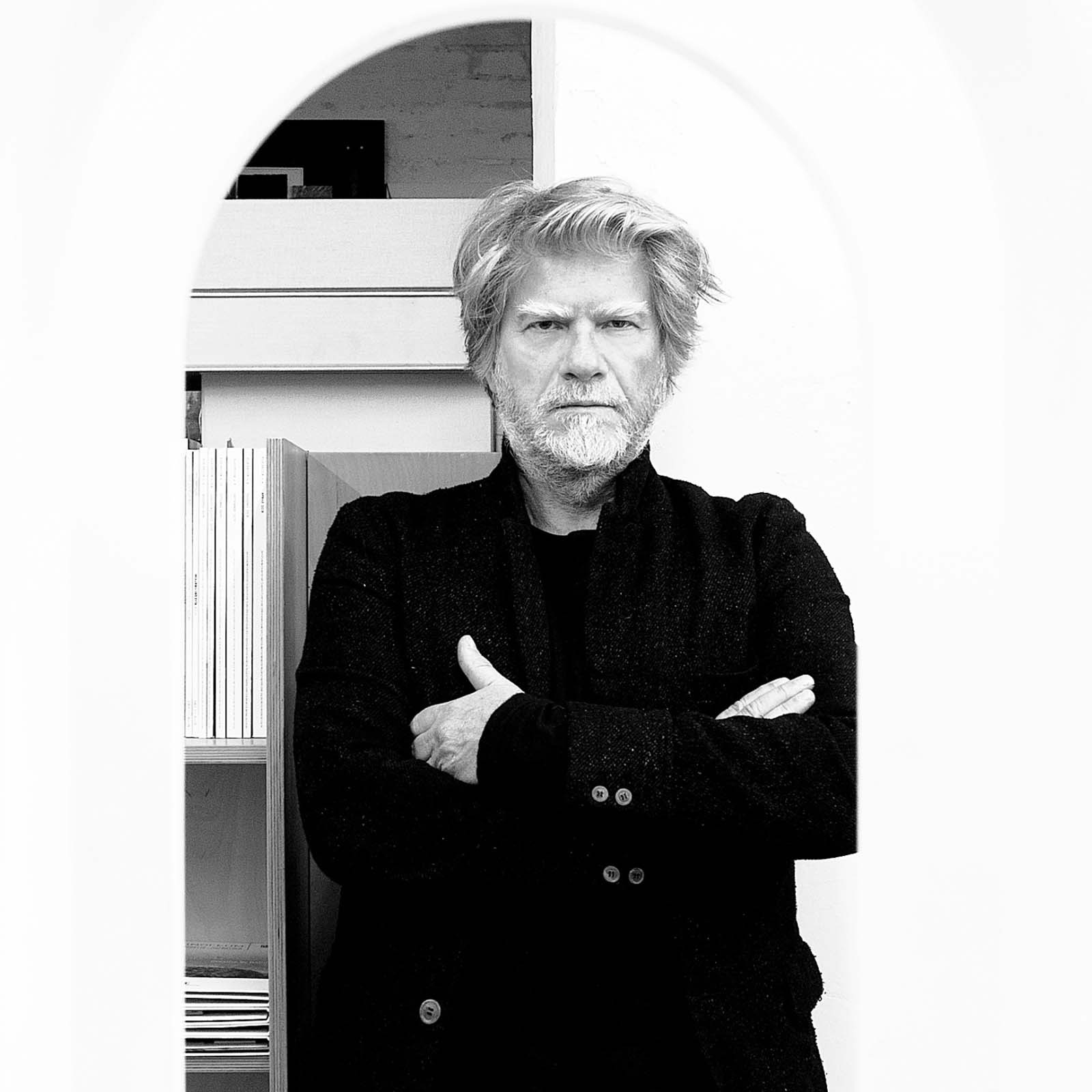
marco costanzi
the professional path of marco costanzi has its roots in florence in the 1980s, where he began his studies at the faculty of architecture. it was in this academic context that he developed a deep and methodical attraction to japanese aesthetics, culminating in a research thesis on the relationship between interior and exterior space in japanese dwellings. this study did not remain a purely theoretical exercise, but became an experiential laboratory conducted directly in the field between kyoto and tokyo, where the architect lived in close contact with zen monks and university professors.
in japan, costanzi assimilated the concepts of light, shadow and void as tools for modulating the perception of space, finding in the dry garden of ryoanji and in the imperial villa of katsura the pillars of his future design transformation. in this context he understood that emptiness is not absence but possibility, and that every architectural element must arise from a close dialogue with nature and human proportions.
in 1992 he began his professional activity by founding a spatial research laboratory where interior design meets architecture, experimenting with his first built works in the outskirts of tokyo. in those concrete buildings intended for production, echoes can be found of the raw language of tadao ando, the formal clarity of mies van der rohe and the rationalist rigor of giuseppe terragni. this phase of intense experimentation led him to conceive space as a dynamic relationship rather than a simple container, refining his ability to mediate between functional needs and artistic sensitivity.
with the founding of marco costanzi architects in 2005, his language reached full maturity, deeply influenced by the teachings of ag fronzoni on the need for clarity, reduction and conceptual rigor. for costanzi, every sign must be justified and free of superfluous elements, a vision also nourished by his fascination with american minimal art by donald judd, robert morris and dan flavin, as well as by encounters with radical figures such as gianni pettena. his research is constantly nourished by travel as a tool for continuous learning: from the vals thermal baths by peter zumthor to the abbey of le thoronet, to the neue nationalgalerie in berlin, each place visited contributes to creating a personal archive of material insights.
a key moment is also his meeting in new york in 1987 with lella and massimo vignelli, from whom he absorbed the principle of “design is one”: a unified vision in which architecture, graphics and object are part of a single coherent system. this approach allows him to move naturally across different scales, leading him to collaborate with major global luxury brands. his relationship with the fashion world becomes his most stimulating field of action, where brand identity must translate into a tangible spatial experience through the skilled use of natural materials and light.
the intervention for fendi inside the palazzo della civiltà italiana in rome represents one of his most significant works, where the confrontation with a twentieth-century icon is resolved through a process of subtraction and extreme precision that does not alter the monumental character of the building but reinterprets it as a contemporary workplace. alongside this public scale is the intimate and refined dimension of the fendi private suites in the historic center of rome, where the brand’s aesthetic is translated into a domestic and sophisticated environment.
his work in the retail sector extends to flagship stores for rimowa in milan and hong kong and valextra in new york, projects conceived as narrative devices capable of communicating a lifestyle beyond the product itself. in recent years, costanzi has further expanded his scope by engaging in the artistic direction of historic design companies such as schiffini and entering the world of yachting with innovative projects for perini navi, where the volumes of the vessels are treated with an architectural approach far from the sector’s traditional standards.
each of his works, whether a design object, an office or a private residence, is the result of a layering of international experiences and a sensitivity that places material essentiality and the communicative power of light at the center. costanzi’s path thus defines itself as a synthesis between italian craftsmanship and eastern vision, a dynamic balance where architecture becomes a sophisticated sensory ecosystem capable of generating memorable experiences through rigor and formal precision.